
If your dog is missing, you’ve found a stray, or you’re facing a veterinary emergency, the next few minutes matter. This hub gives you a clear, calm action plan for every scenario — with Canada-specific resources, registries, and tools to help you move fast and make smart decisions.
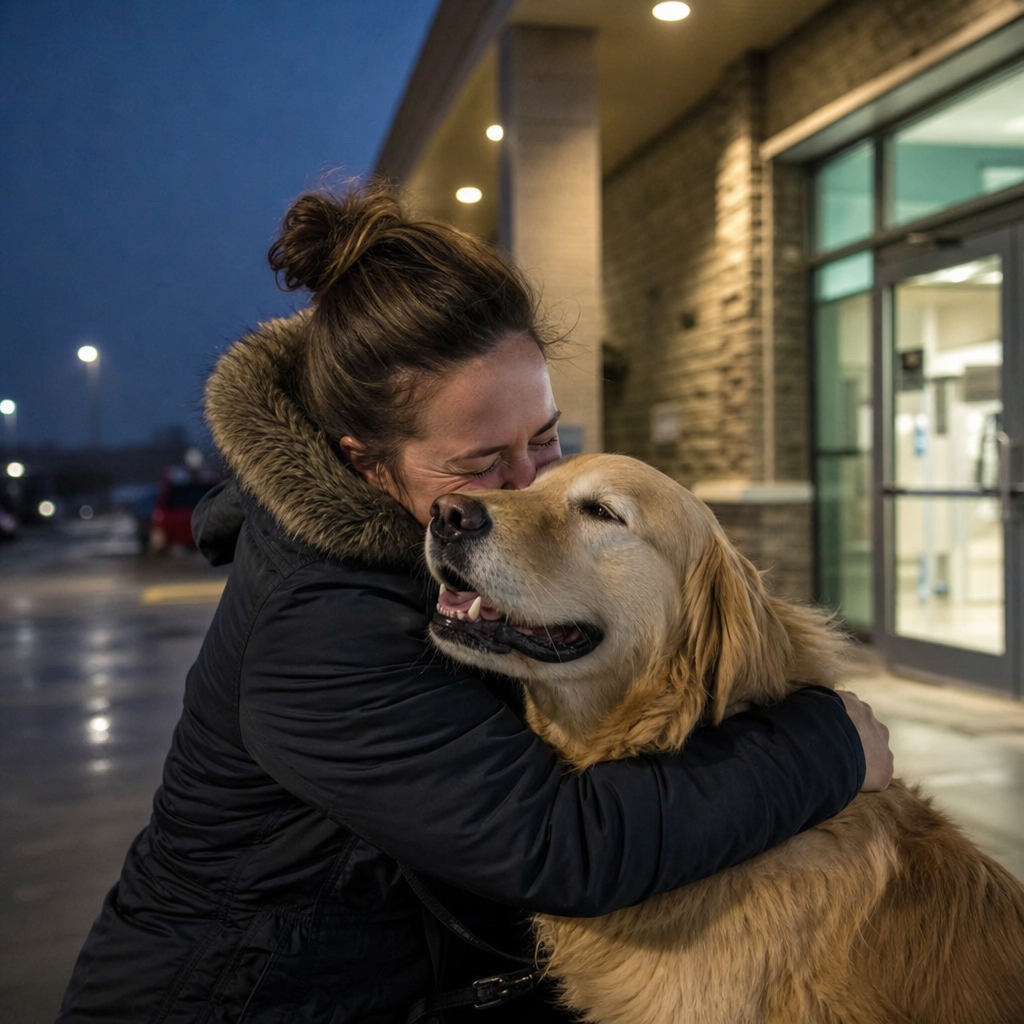
Lost Dog: Your First 48-Hour Action Plan
The hours immediately after a dog goes missing are the most critical. Resist the urge to simply drive around hoping to spot your dog. Instead, work a structured plan across all channels simultaneously.
Step 1: Search Smart, Search Wide
Start with the immediate area, but think like a dog. Lost dogs often hide nearby in a frightened state rather than travelling far. Walk the perimeter quietly — calling in a calm, familiar voice — and check under decks, behind sheds, and in any sheltered spots. In Canadian winters, a dog in distress may burrow into snowdrifts for warmth, so check those too.
Expand outward in a radius. Enlist neighbours quickly. A lost dog in urban centres like Toronto, Vancouver, or Calgary can travel kilometres in traffic within an hour, so urgency matters. If you’re in a rural area across Manitoba, Alberta, or Northern Ontario, contact local farmers and trail users who cover wide ground daily.
Step 2: Report Immediately to Municipal Animal Services
Every Canadian city and municipality has an animal services or bylaw enforcement office that holds found dogs. Contact yours within the first hour. Most hold stray dogs for a minimum period before making adoption decisions — knowing your dog is there early is essential. Search your city or province’s official website for “animal services” or “animal control” to find the direct number. Do not rely on a number found in a forum; go to the official municipal or provincial government site.
Step 3: Microchip Registries in Canada
Canada does not have a single national microchip database, which surprises many owners. There are several registries operating across the country. If your dog is microchipped, contact the registry where you originally registered the chip and verify that your contact information is current. If you don’t know which registry holds your chip record, your veterinarian can help you trace it. When you report your dog missing, note the chip number in every report you file — shelters and vets scan for chips as a first step when a stray arrives.
Step 4: Post to Lost-Pet Networks and Local Groups
Use Facebook community groups for your city or neighbourhood — these remain one of the fastest ways to reach local eyes. Search for groups named “[Your City] Lost and Found Pets” and post immediately with a clear photo, your dog’s description, the location last seen, and your contact number. Canada-wide lost-pet posting sites exist; search for reputable ones and cross-post. Post to Nextdoor if you use it, and contact local veterinary clinics directly — many keep a bulletin board or internal notification system for lost pets brought in.
Step 5: Physical Flyers
Print high-contrast, large-font flyers with one clear photo and your phone number. Post them at eye level on utility poles, at dog parks, at nearby pet supply stores, and at local veterinary clinics. In winter cities like Winnipeg or Edmonton, laminate them or use weatherproof paper — Canadian weather destroys standard paper flyers within hours.
Lost Dog: First 48 Hours Checklist
Found a Dog — What to Do
If you’ve found a stray, your first step is to keep yourself and the dog safe. A frightened dog — even a friendly breed — may bite when cornered. Approach slowly and let the dog come to you if possible.
Take the dog to the nearest veterinary clinic or animal shelter so staff can scan for a microchip. This is free at most clinics across Canada and is the fastest route to reuniting a dog with its owner. Report the found dog to your municipal animal services — in most provinces, you are legally required to do so within 24 to 72 hours. Check the regulations in your province or territory, as rules vary from British Columbia to Nova Scotia.
Post to the same local social media groups and lost-pet networks as you would for a lost dog, this time from the “found” side. Include the location where the dog was found and a clear photo.
Adopting a Dog in Canada: Finding a Reputable Rescue or Shelter
Canada has a well-developed network of provincial SPCAs, municipal humane societies, and independent breed-specific rescues. Reputable rescues will conduct adoption screening, provide vet records, and be transparent about a dog’s history and behaviour. Be cautious of any rehoming arrangement that asks for significant fees with no vet documentation or that pressures you to decide quickly.
To find a legitimate rescue near you, start with your provincial SPCA — the BC SPCA, Ontario SPCA affiliated shelters, Manitoba Humane Society, and the SPCA de Montréal are established, accountable organisations. Municipal shelters in cities like Ottawa, Calgary, Halifax, and Edmonton also place dogs regularly and are a strong starting point.
The Canadian Federation of Humane Societies maintains resources for locating member shelters across the country — check their official website for a directory. When adopting, ask about post-adoption support, return policies, and whether the rescue is registered as a non-profit.
Emergency Veterinary Care: Finding Help Fast
A veterinary emergency can happen at any hour. Knowing where to go before a crisis occurs is one of the most important things a Canadian dog owner can do. Most major cities — Toronto, Vancouver, Calgary, Montreal, Edmonton, Ottawa — have at least one 24-hour emergency animal hospital. Smaller cities and rural areas may require a significant drive, which makes advance planning essential.
How to Find a 24/7 Emergency Vet Near You
Search “24-hour emergency vet” plus your city name and confirm hours directly by phone before you need them — hours can change. Save the number in your phone now. Your regular vet’s voicemail often includes an after-hours emergency referral; listen to it today so you already know who they recommend.
The Canadian Veterinary Medical Association (CVMA) represents veterinarians nationwide and can be a starting point for finding accredited practitioners, though for emergencies, direct online search by city is fastest. Use Canada Dog Care’s emergency vet directory to locate verified 24/7 clinics near you — listings are organised by city so you can find local options quickly at canadadogcare.com.
Before an Emergency: Be Prepared
Keep a pet first-aid kit at home and in your car. In Canadian winters, hypothermia and salt/ice chemical burns on paws are genuine emergencies — know the signs and have basic supplies ready. Know your dog’s normal vital signs. Keep a copy of your dog’s vaccination records and any medications accessible. If your dog has a known condition, ask your vet in advance what symptoms warrant an emergency visit versus a next-day appointment.
📋 Recommended: Pet Insurance and ID Preparedness
This is a contextual recommendation — Canada Dog Care may earn a referral fee if you purchase through partner links, at no cost to you.
Two tools every Canadian dog owner should have in place before an emergency: a pet insurance policy that covers emergency and specialist care (compare Canadian providers for annual limits and exclusions, as policies vary significantly), and a quality ID tag plus registered microchip. An engraved tag with your current phone number is still the fastest way for a neighbour to return your dog without any technology. Pair it with a GPS-enabled collar attachment for added security in urban and wilderness settings alike.
Find Local Emergency Vets, Shelters & Animal Services
Browse Canada Dog Care’s verified directory of emergency vets, rescues, and animal services — sorted by city across Canada.
Your Next Step
Whether you’re in crisis mode right now or planning ahead, the most important actions are the same: report to municipal animal services, verify your microchip registration is current, know your nearest 24-hour emergency vet, and keep ID on your dog at all times. Canada’s geography and climate add real stakes — preparation in calm moments pays off in difficult ones. Use Canada Dog Care’s directory at canadadogcare.com to find trusted local services in your city today, before you need them urgently.

Author: admin
I am me!