
Train Your Dog the Right Way — Starting Today
Training your dog is one of the most rewarding things you can do as a Canadian dog owner. A well-trained dog is safer on busy Toronto streets, calmer during Edmonton winters, and a better companion everywhere in between. The good news: you do not need to be a professional to get real results. With consistent positive-reinforcement techniques, realistic expectations, and a little Canadian-climate know-how, most dogs make significant progress within the first few weeks.
This guide covers everything from house training and crate training to leash manners, recall, and tackling common behaviour problems — plus how to find a qualified trainer near you when you need extra support.
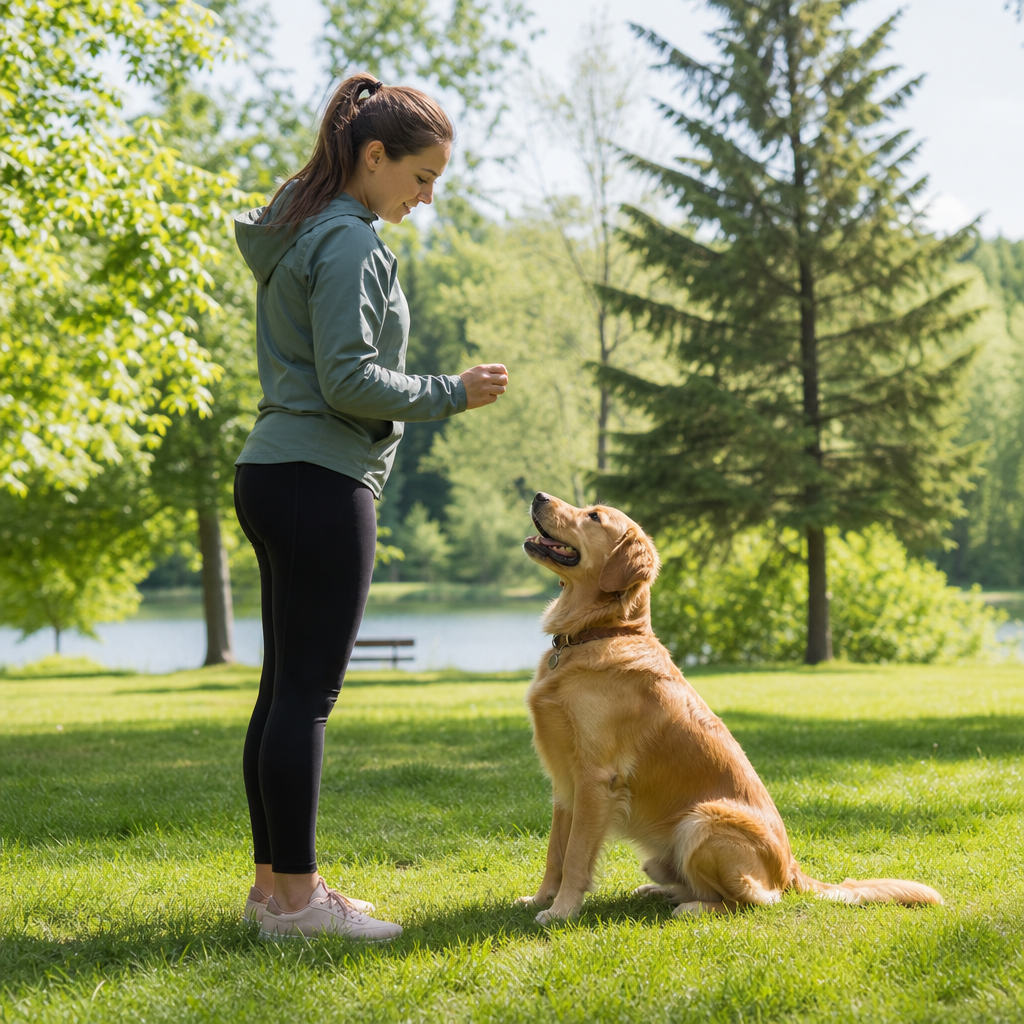
The Foundation: Positive Reinforcement
Positive reinforcement means rewarding the behaviour you want so your dog repeats it. Rewards can be small treats, praise, or play — whatever motivates your dog most. Science consistently supports this approach as the most effective and humane training method, and it is endorsed by the Canadian Veterinary Medical Association (CVMA) and most provincial humane societies.
Key principles to keep in mind:
- Timing matters: Reward within one to two seconds of the desired behaviour.
- Keep sessions short: Five to ten minutes per session, two to three times daily.
- End on a win: Finish each session with a command your dog already knows.
- Be consistent: Every family member should use the same cues and rules.
House Training and Potty Training in a Canadian Climate
House training a puppy in Canada comes with a unique challenge: the weather. In Calgary, Winnipeg, or Halifax, winter temperatures can make outdoor bathroom trips miserable for both of you — and a dog that refuses to go outside in a snowstorm will have accidents indoors.
Strategies that work year-round
- Take your dog out first thing in the morning, after every meal, after naps, and before bed.
- Choose a consistent outdoor spot and use a consistent verbal cue (“go potty”).
- In winter, clear a small patch of your yard so your dog has familiar ground to stand on.
- Protect paws from road salt and ice-melt chemicals — rinse and dry paws after every outing. Dog booties or paw wax (widely available at Canadian pet retailers) help sensitive breeds.
- Never punish accidents indoors. Clean thoroughly with an enzymatic cleaner to remove the scent.
Most healthy puppies achieve reliable house training between three and six months of age. Older rescue dogs may need two to four weeks of focused routine.
Crate Training: A Safe Space, Not a Punishment
A crate gives your dog a den-like retreat and prevents destructive behaviour when you cannot supervise. Introduce it gradually: toss treats inside, feed meals near the crate, and slowly increase the time the door is closed. Never use the crate as punishment.
Adult dogs should spend no more than four to six hours in a crate at a time. If you work long hours, a dog walker or doggy daycare can fill the gap — search Canada Dog Care’s directory to find trusted local options in your city.
Core Commands and a Realistic Training Timeline
The table below outlines a practical eight-week progression for a new dog or puppy. Adjust the pace to your individual dog.
Socialization: A Canadian Consideration
The primary socialization window closes around 12 to 16 weeks. Expose your puppy to different surfaces, sounds, people, and friendly dogs during this period. In cities like Vancouver or Montreal, this is relatively easy year-round. In northern regions, winter limits outdoor exposure — use indoor puppy classes, controlled playdates, and pet-friendly stores to compensate. Many provincial SPCAs and humane societies run affordable puppy socialization programs.
Addressing Common Behaviour Problems
Excessive Barking
Identify the trigger (boredom, fear, alerting). Reward quiet moments, redirect with a cue like “quiet,” and ensure adequate daily exercise.
Destructive Chewing
Provide appropriate chew toys, supervise closely, and manage the environment. A tired dog chews far less — increase mental and physical stimulation.
Separation Anxiety
Practice short departures and build duration slowly. For severe cases, consult your veterinarian — some dogs benefit from behaviour modification alongside medical support.
How to Choose a Qualified Dog Trainer in Canada
Canada does not have a single mandatory licensing body for dog trainers, so credentials vary widely. Look for trainers who hold certifications from reputable organizations such as:
- CPDT-KA (Certified Professional Dog Trainer — Knowledge Assessed)
- KPA CTP (Karen Pryor Academy Certified Training Partner)
- IAABC (International Association of Animal Behaviour Consultants)
Ask trainers about their methods before booking. Any trainer who relies primarily on aversive tools or corrections is not aligned with current best-practice standards. Group obedience classes are a cost-effective option — typically CAD $150–$300 for a six-week course in major cities like Ottawa, Edmonton, or Vancouver.
📦 Recommended Training Resources
These are editorial recommendations to help you get started. Canada Dog Care may earn a referral fee on some links, at no extra cost to you.
- Online training course: Look for structured video-based programs (such as those offered by CPDT-certified trainers) that allow you to train at your own pace — ideal during Canadian winters when outdoor classes are less accessible.
- Training treats: Small, high-value treats (pea-sized) work best. Soft treats are easier to eat quickly during sessions.
- Standard six-foot leash: A simple nylon or leather leash gives better control than retractable leads for teaching leash manners.
- Clicker: A basic clicker (under CAD $10 at most Canadian pet stores) helps mark desired behaviour precisely.
Find a Dog Trainer in Your Canadian City
Browse verified dog trainers, obedience classes, and puppy socialization programs across Toronto, Vancouver, Calgary, Ottawa, and more.
Your Next Step
Consistent, positive training is a lifelong investment — not a one-time event. Start with the basics this week: five minutes of sit-and-stay practice, a structured potty routine, and one short leash walk with a focus on your dog checking in with you. Small daily efforts compound into a well-mannered dog you can take anywhere in Canada, from Halifax waterfront trails to Vancouver seawall paths.
When you are ready for professional support or want to explore group classes, Canada Dog Care makes it easy to find trusted trainers, groomers, veterinarians, and dog parks near you — all in one place.

Author: admin
I am me!