
The Best Dog Breeds for Canada’s Climate — A Quick Answer
Canada’s climate is one of the most demanding on the planet for both dogs and their owners. From Winnipeg’s -30°C windchills to Vancouver’s wet Pacific winters and Halifax’s icy Atlantic storms, the breed you choose has a direct impact on your dog’s health, comfort, and quality of life. Cold-hardy breeds with double coats and sturdy builds — such as Siberian Huskies, Bernese Mountain Dogs, and Canadian Eskimo Dogs — thrive in most Canadian provinces year-round. Cold-sensitive short-coated breeds like Greyhounds, Chihuahuas, and Boxers can absolutely live happy Canadian lives, but they require extra winter gear, shorter outdoor sessions, and a committed owner prepared for seasonal care costs.
This guide covers which breeds suit Canada’s climate, how to care for them through the seasons, what you can realistically expect to spend, and how to find trusted local services across the country.
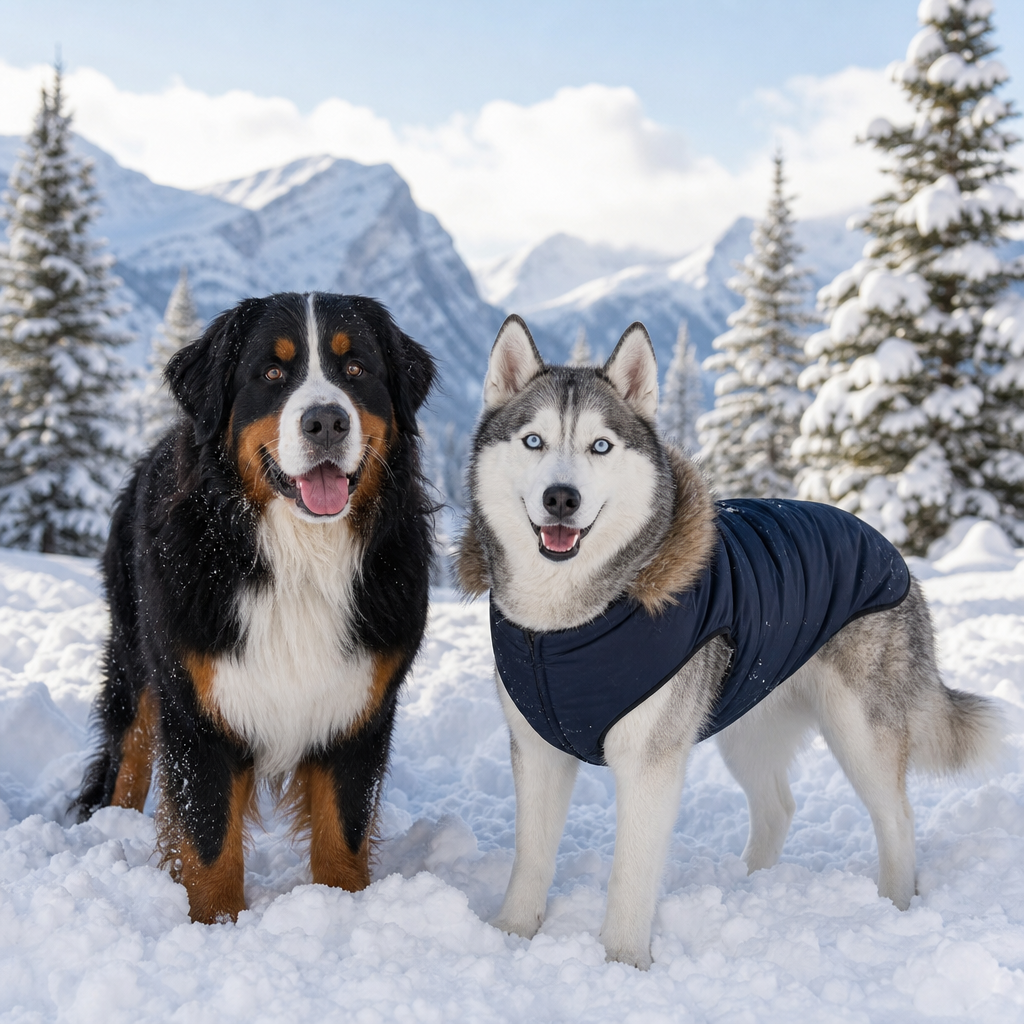
Cold-Hardy vs. Cold-Sensitive Breeds: What Canadian Winters Demand
Not all double-coated dogs are equal, and not all short-coated dogs struggle equally. The key factors are coat density, body mass, and the individual dog’s acclimatisation history.
Cold-Hardy Breeds Well-Suited to Canadian Winters
- Siberian Husky & Alaskan Malamute — bred for Arctic conditions; thrive in Calgary, Edmonton, and Winnipeg winters with minimal supplemental warmth
- Bernese Mountain Dog — popular across Ontario and Quebec; dense tri-coloured coat, calm temperament, suits rural and suburban homes
- Canadian Eskimo Dog (Qimmiq) — a national heritage breed recognised by the Canadian Kennel Club; genuinely built for sub-zero temperatures
- Newfoundland Dog — the Atlantic provinces’ favourite; water-resistant double coat and webbed feet handle Newfoundland and Nova Scotia coastal winters with ease
- Standard Poodle — often underrated for cold climates; their dense, single-layer curly coat insulates well, and they adapt to city apartments in Toronto or Montreal
- Labrador Retriever — Canada’s most popular breed by registration; water-resistant coat and energetic disposition suit most Canadian climates
Cold-Sensitive Breeds Requiring Extra Winter Care
- Greyhound & Whippet — minimal body fat and a single thin coat; need insulated jackets for any outdoor time below 5°C
- French Bulldog & Boston Terrier — brachycephalic (short-muzzled) breeds that struggle to thermoregulate; limit outdoor exposure in deep winter
- Chihuahua & Miniature Pinscher — tiny body mass loses heat rapidly; protective outerwear is mandatory, not optional, in any Canadian province
- Boxer — muscular but short-coated; manageable in Vancouver’s mild winters but needs a jacket in Prairie or Central Canadian climates
Canada-Specific Care: Paws, Salt, Ticks & Seasonal Hazards
Winter Paw Care — Salt and Ice Are Real Risks
Road salt and ice-melting chemicals used across Canadian cities — including Ottawa, Toronto, and Montreal — cause chemical burns to paw pads, gastrointestinal upset if licked, and painful cracking. After every winter walk, rinse your dog’s paws with warm water or use a paw-cleaning cup. Protective booties (brands sold at Canadian retailers like PetSmart Canada) are ideal for sensitive-pawed breeds. Paw balm applied before walks adds a moisture barrier and speeds healing.
Tick Awareness by Region
Ticks are not exclusively a summer concern in Canada. The blacklegged tick (deer tick) is established in southern Ontario, southern Quebec, Nova Scotia, and parts of British Columbia and Manitoba, and activity can begin as early as 4°C. The Public Health Agency of Canada maintains regional tick surveillance data — check their website for updated risk maps before hiking with your dog in tick-heavy areas. Year-round tick prevention, prescribed by your veterinarian, is increasingly recommended for dogs in high-risk provinces.
Apartment and City Living vs. Rural Suitability
High-energy northern breeds (Husky, Malamute) are poorly suited to Toronto condo living without a rigorous daily exercise commitment. Breeds like the Standard Poodle, Cavalier King Charles Spaniel, or Shih Tzu adapt well to Montreal or Vancouver apartment living while still requiring regular outdoor time. Rural owners in provinces like Saskatchewan or Alberta should prioritise sturdy, independent breeds capable of safely exploring large properties.
Breed Comparison Table: Canada-Specific Care at a Glance
Realistic Ownership Costs in Canada (CAD)
Canadian dog ownership costs vary significantly by breed size, province, and city. Here is a practical breakdown of what to budget annually:
Food
$600–$2,400/year depending on breed size and food quality. Large breeds like Newfoundlands may exceed $200/month.
Veterinary Care
$500–$1,500/year for routine care. Emergency visits in Toronto or Vancouver can exceed $3,000–$5,000 without insurance.
Grooming
$60–$150 per session for professional grooming. Double-coated breeds need deshedding treatments; Poodles need trims every 6–8 weeks.
Pet Insurance
$50–$150/month depending on breed, age, and province. Strongly recommended for large breeds and brachycephalic dogs.
Essential Winter Gear for Canadian Dogs
Regardless of breed, most Canadian dogs benefit from at least some seasonal gear. Here is what to prioritise:
- Dog booties — protect against road salt, ice cuts, and chemical de-icers; look for non-slip soles for icy sidewalks in Calgary or Ottawa
- Insulated dog jacket or coat — essential for cold-sensitive breeds; helpful for seniors and puppies of any breed during Prairie winters
- Reflective gear — critical during Canada’s short winter days; ensure your dog is visible during early morning and evening walks
- Paw balm — apply before and after walks to prevent cracking from cold and salt exposure
- Heated outdoor shelter — for dogs spending time outdoors in rural areas; must be insulated, dry, and appropriately sized
Find Local Canadian Dog Services on Canada Dog Care
Choosing the right breed is only the beginning. Ongoing access to trusted local professionals — veterinarians, groomers, trainers, and boarding facilities — is what keeps your dog healthy and well-adjusted through every Canadian season. Canada Dog Care’s directory connects dog owners in Toronto, Montreal, Vancouver, Calgary, Ottawa, Edmonton, Winnipeg, Halifax, and beyond with verified local service providers.
- Search for a trusted veterinarian near you — essential for breed-specific health assessments and winter wellness checks
- Browse dog groomers by city — especially important for double-coated and long-haired breeds before and after winter
- Find certified dog trainers in your area — new dogs and new-to-Canada breeds benefit enormously from early professional training
- Discover dog parks and off-leash areas near you — stay active through winter with safe, breed-appropriate exercise spots
Canada Dog Care also publishes guides on dog health, seasonal travel with pets, and nutrition — all written with Canadian conditions and regulations in mind. Explore those resources as your next step once you have found your ideal breed.
Find Trusted Dog Services Across Canada
Browse vets, groomers, trainers, and boarding facilities in your city — all verified and Canadian.
Summary: Matching Breed to Climate is a Long-Term Decision
Canada’s diverse climate means there is no single perfect dog breed for every Canadian. A Husky thrives in Winnipeg but may overheat in a Vancouver summer. A French Bulldog suits a heated Montreal apartment but demands careful management during January walks. The most successful Canadian dog owners match breed characteristics to their specific city, lifestyle, and budget — then invest in quality seasonal care, appropriate gear, and a network of trusted local professionals. Use Canada Dog Care’s directory to build that network from day one, and consult a licensed veterinarian before finalising your breed choice.

Author: admin
I am me!